Author:DavisDate:2026-6-3
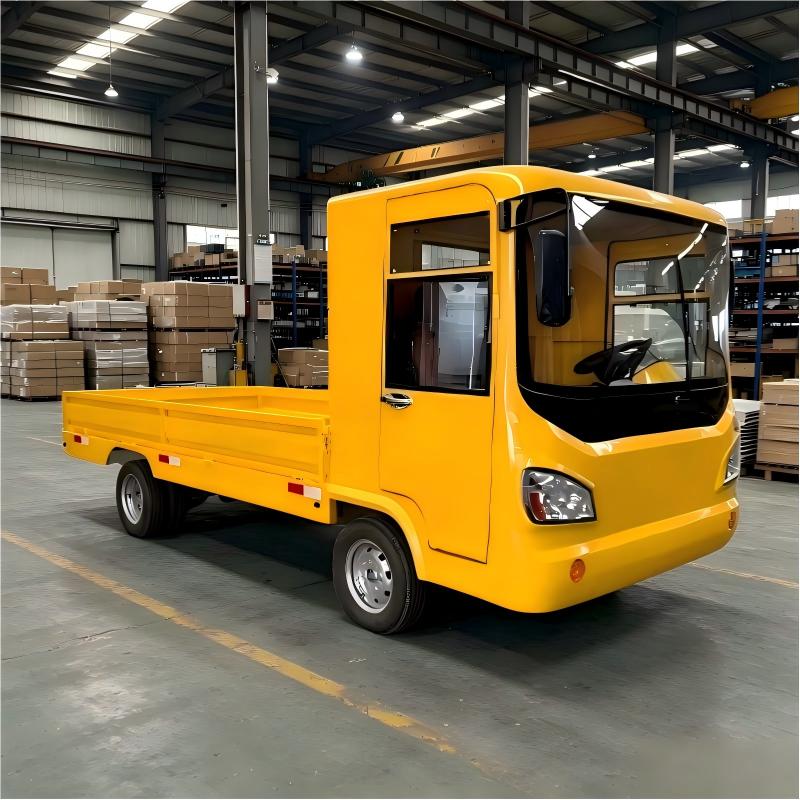
Electric flatbed trucks, with their advantages of zero fuel consumption, low cost, and easy operation, are widely used in factory transfers, construction site material handling, and industrial park freight. Scientific and standardized maintenance ensures stable operation under rated load conditions, significantly reduces the probability of malfunctions, and extends the vehicle's lifespan. Maintenance work mainly consists of five parts:
I. Power Battery Maintenance (Core of the Vehicle)
Charging Management: Charge the battery promptly when it reaches approximately 20% remaining power during daily operation, avoiding parking with a completely discharged battery; avoid charging in high-temperature direct sunlight or extremely cold outdoor environments; use the original factory charger; do not use high-power fast chargers.
Regular Inspection: Check the battery terminals monthly, tighten loose screws, and apply rust prevention measures; check the battery casing for bulges or leaks; for vehicles used with high-frequency heavy loads, check the battery capacity quarterly.
Idle Maintenance: If the vehicle is not in use for an extended period, recharge the battery every two weeks to prevent damage from a discharged battery.
II. Maintenance of the Walking and Load-Bearing System
Tire Maintenance: Check tire pressure before driving. For heavy-duty vehicles, inflate to standard pressure and remove any stones or debris embedded in the tire treads. For vehicles with dual rear tires, regularly check tire wear and bulges; replace tires with excessive wear immediately.
Chassis and Axles: Monthly lubrication of axle bearings and leaf spring hinges; tighten all frame and cargo box bolts. During frequent use on bumpy roads, pay special attention to checking for deformation and cracks in the leaf springs.
-7765623.jpg "平板车 (1).jpg")
III. Motor and Electrical Control Circuit Maintenance
Drive Motor: Avoid sudden acceleration from a full load and prolonged overload climbing to reduce instantaneous motor overload; keep motor cooling vents clean and free of dust; after driving through water in rainy weather, promptly check the motor wiring for waterproofing.
Vehicle Wiring Harness: Quarterly inspection of all vehicle wiring; check for cables worn down by vehicle vibration in the chassis and cab; reinforce the sealing of the electrical control box to prevent rainwater infiltration and short circuits.
IV. Braking and Steering System Maintenance
The braking system is crucial for safety. Test the braking performance under no-load conditions before each trip. Regularly adjust brake pad clearance, and for hydraulic brake models, top up brake fluid periodically. Regularly lubricate the steering linkages to ensure smooth and effortless steering.
V. Vehicle Body and Daily Driving Habits
Clean the cargo box daily of sand, gravel, and sharp debris to prevent scratches on the floor and damage to chassis lines. Start smoothly and drive at a constant speed to reduce wear and tear from sudden braking and acceleration. Reduce wear and tear on parts through improved driving habits.
↓Next [ Paraguayan clients visited our factory and signed a long-term cooperation agreement. ]